
Expert from Kosovo: Both Serbs and Albanians Are All Fed Up with Long Years of War and Conflict
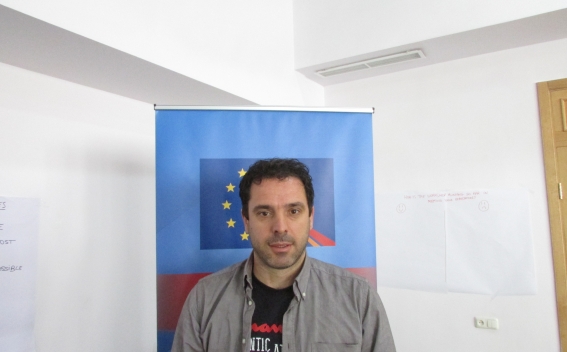
"Armedia" IAA presents an exclusive interview with Naim Rashiti, the Executive Director of the regional think tank Balkans Policy Research Group based in Pristina. Mr. Rashiti has a long experience of working in conflict and post conflict environments. He closely monitored conflicts in Kosovo, South Serbia and Macedonia; he worked with NATO and EU envoys for South Serbia and Macedonia in 2001 and 2002.
- How do you assess the current state of Kosovo conflict settlement process?
- The dialogue between Kosovo and Serbia continues. After 7 years of the dialogue, now both sides prepare for the grand finale, to sign a comprehensive agreement, which is also a requirement from EU. The first agreement signed in 2013 was not fully implemented and there are some tensions till now. They have to compromise in order to reach an agreement. For the first time the EU hopes they are able to overcome the problem.
- Which are the main controversial points regarding the agreement?
- The main controversial points are Serbia’s recognizing Kosovo, which Serbia refuses. Serbia has its own institutions in Kosovo, where Serbs live, and they want a larger autonomy, but Albanians in Kosovo refuse. The other controversial point is war time referrations regarding missing people at that time and many others. Kosovo wants to be fully separated from Serbia and become a UN member.
- Is there any possibility of escalation of tension between the two sides?
- There is no arm tension. There are some incidents happening from time to time, for example crossing the borders illegally by some people. But there is no kind of armed conflict, at least. So at this stage, the international community really hopes it will be possible to reach an agreement. As historically Kosovo and Serbia have never reached an agreement.
- What changes have you witnessed in public moods during the recent years?
- Both Serbs and Albanians are all fed up with long years of war and conflict. But we don’t see any reconciliation, we don’t see dealing with the past, we don’t see governments apologizing for what happened, especially the Serbian government, and moreover, they often use this conflict to avoid responsibility for other issues.

Read also
-
West demands Serbia’s Vucic gets barricades in Kosovo disassembled in 24 hours — TV
-
No agreement reached at Belgrade-Pristina talks in Brussels, says Vucic
-

Ambassador of Armenia to Serbia presented the consequences of Azerbaijan's aggression against Armenia in the National Assembly...
-
Serbian President Extends Condolences to Yerevan Explosion Victims
-
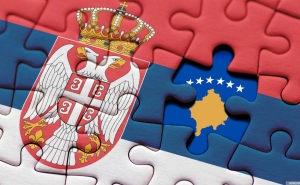
European Commission Calls for Lifting of Measures Hindering Freedom of Movement in Kosovo
-
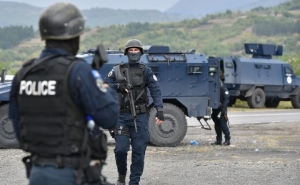
Washington Is to Blame for the Conflict on Border Between Serbia and Kosovo- Vyacheslav Volodin
-
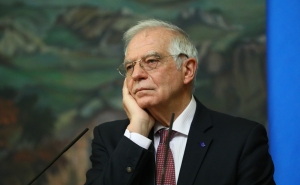
Borrell Hails Kosovo’s Decision to Postpone Ban On Serbian Documents
-
Armenia Is Advancing the Agenda of Opening An Era of Peace In the Region: President of the NA of Armenia Meets With Ambassador...
-
 17:08
17:08The regular session of the Anti-corruption Policy Council takes place in Jermuk
-
 15:05
15:05The Prime Minister sends congratulatory messages to the supreme leader of Iran and the President of Iran
-
 11:11
11:11Armenia sends earthquake aid to Turkey
-
 10:43
10:43Commemoration of the Pontiff St. Sahak Partev
-
 09:16
09:16Some roads are closed and difficult to pass in Armenia
-
 19:55
19:55Phone conversation of the Foreign Minister of Armenia with the U.S. Assistant Secretary of State for European and Eurasian Affairs
-
 18:30
18:30Prime Minister Pashinyan and President Khachaturyan meet
-
 18:20
18:20Ararat Mirzoyan with Co-Chairman of the OSCE Minsk Group of France Brice Roquefeuil
-
 17:01
17:01Humans could land on Mars within 10 years, Musk predicts
-
 16:45
16:45France, US urge 'immediate' end to Nagorno Karabakh blockade
-
 16:01
16:01Blockaded Nagorno Karabakh launches fundraiser to support quake-hit Syria
-
 15:59
15:59Earthquake death toll in Turkey rises to 18,342
-
 15:43
15:43Ararat Mirzoyan Held a Telephone Conversation with Sergey Lavrov
-
 15:06
15:06French president rules out fighter jet supplies to Ukraine in near future
-
 14:47
14:475 Day Weather Forecast in Armenia
-
 14:44
14:44President Vahagn Khachaturyan wrote a note in the book of condolences opened in the Embassy of Syria in Armenia
-
 14:20
14:20Azerbaijan’s provocations impede establishment of peace and stability – Armenian FM tells Russian Co-Chair of OSCE MG
-
 12:57
12:57France representation to OSCE: Paris calls on Azerbaijan to restore freedom of movement through Lachin corridor
-
 11:40
11:40Command of Kosovo forces highly appreciated preparation of Armenian peacekeepers
-
 10:16
10:16The United States withdrew from sanctions against Syria for six months the provision of assistance after the earthquake
day
week
month
Humidity: %
Wind: km/h